Becoming a Red Seal certified tradesperson is really the beginning of more opportunities for career growth and skills development. Melanie notes that an apprenticeship is an open door to entrepreneurship, teaching, and leadership roles in industry. What an apprentice can do depends on their work ethic and imagination. It is a springboard, not a finish line. As Melanie puts it, “it’s the only pathway where you need a job to learn. The other ones you learn to get a job.”
One of SOY’s most distinctive contributions is its dual‑support model. Instead of focusing solely on apprentices, SOY works closely with employers, offering tools and guidance to build training environments where anyone can thrive. Employers lean on SOY to source job ready candidates, register apprentices, and assist with administrative support. This enables employers to do what they do best: running their businesses and training trades people. “We’re educating both sides of the equation,” Melanie explains. “We help apprentices understand what to expect—and we help employers create spaces where apprentices can learn and thrive.”
On the apprentice side, SOY provides essential employability training, including networking, communication skills, resume development, and the unwritten rules of professionalism. They also address something Melanie refers to as “acculturation,” which is helping new apprentices understand the culture, expectations, and pace of the skilled trades. This includes everything from what a spotter should be doing on a ladder to how to advocate for oneself in a busy jobsite environment.
One of the things that sets SOY apart is its use of psychometric and critical-thinking assessments, which it developed in collaboration with its partner, FitFirst. These tools help identify each candidate’s strengths, preferences, and ideal working conditions without closing off opportunities or dictating career choices. The purpose of these assessments is to help prospective apprentices reflect on their skills, interests, and personality to determine which trade might be the best fit for them. Melanie emphasizes that the results are not prescriptive: “My job is not to tell someone what they should be. My job is to help them understand who they are—and where they might thrive.”
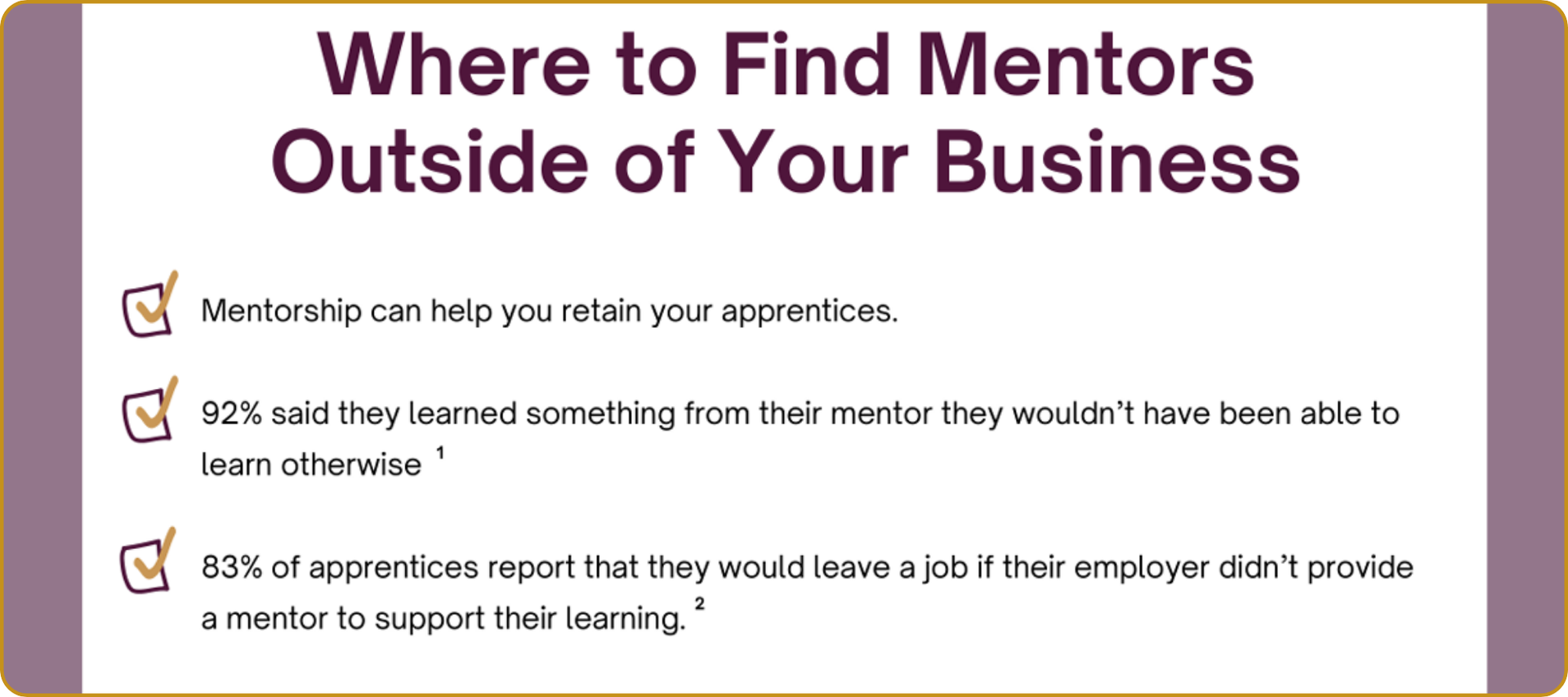
Employers increasingly rely on these assessments. On occasion, they will send their walk-in candidates to SOY for screening before they make hiring decisions. What SOY has developed is a shared language, rooted in behavioural traits, problem‑solving, and jobsite realities, that can align employer expectations with apprentice strengths. The result is a stronger match, higher satisfaction from both parties, and significantly better retention. SOY’s retention rates are greater than ninety percent, meaning that their apprentices remain in the trades once they’ve begun their journey. Melanie says that at SOY, success isn’t defined by how long someone stays with SOY, but whether they stay in the trades.