


For many adult learners, the path towards becoming an apprentice is often gradual rather than immediate.
Working with Apprentices?
We're Here to Support You!
Welcome back to the latest edition of Step Up and Succeed In the Skilled Trades!
In this edition, we
- Feature insights from an interview with Courtney Davis of the YWCA of St. Thomas-Aylmer Skills Training and Upgrading program
- Share the great experience we had at Cannexus26
- Interview Melanie Winter, executive director of Support Ontario Youth (SOY), and take a deep dive into how SOY is transforming apprenticeship in Ontario
- Highlight the "Where to Find Mentors Outside Your Business" resource
We are excited to share these stories with you and hope you enjoy reading them.
If you know of a skilled trades business, apprentice, or Get SET (Skills, Education and Training) success story that you think deserves to be featured in an upcoming issue, please contact us at literacylink@llsc.on.ca.
Courtney Davis:
Get SET is a Key Entry Point to Apprenticeship
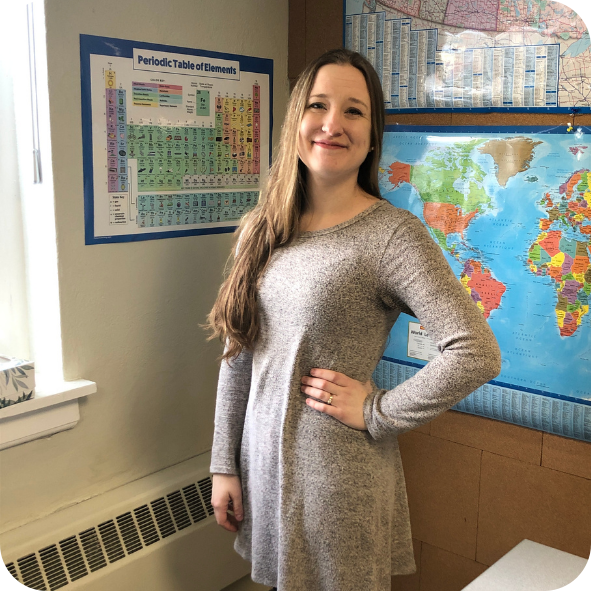
In her role, Courtney has worked with adults who are extremely skilled with their hands and have good number sense, but do not see themselves as potential skilled tradespeople. She recognizes that there are many reasons for this, but a primary cause is that the steps involved in the apprenticeship pathway are unfamiliar to their educational and work experiences. Specifically, when a learner has had a poor (or disrupted) educational experience, the thought of entering a multi-year program to attain a Red Seal certification seems foreign (even frightening).
For many learners, work is about paying bills now. It is not about making long-term professional plans. And because learners are often unaccustomed to thinking about finding a profession, they can undervalue their existing skills and abilities, especially when an opportunity requires additional education and training.
The YWCA’s Skills Training and Upgrading Program assists many individuals who have struggled or continue to struggle to get their high school diploma or an equivalent. These learners benefit from consistent in person support and encouragement. It can take a long time and a great deal of effort before they can move past their past experiences and see themselves as capable learners. These learners are understandably dismissive when instructors encourage them to consider anything beyond a high school diploma.
Courtney understands that apprenticeships demand a range of sophisticated skills. These include not just math but utilizing emotional sophistication and practicing refined communication (interpersonal or “essential” skills). Her task, as she sees it, is helping learners approach new skills as a logical extension of their learning process. Courtney helps learners discover not only that they have “a mind for math” or are math-capable, but also encourages them to find in themselves existing capabilities that match the essential skills necessary for apprenticeship.
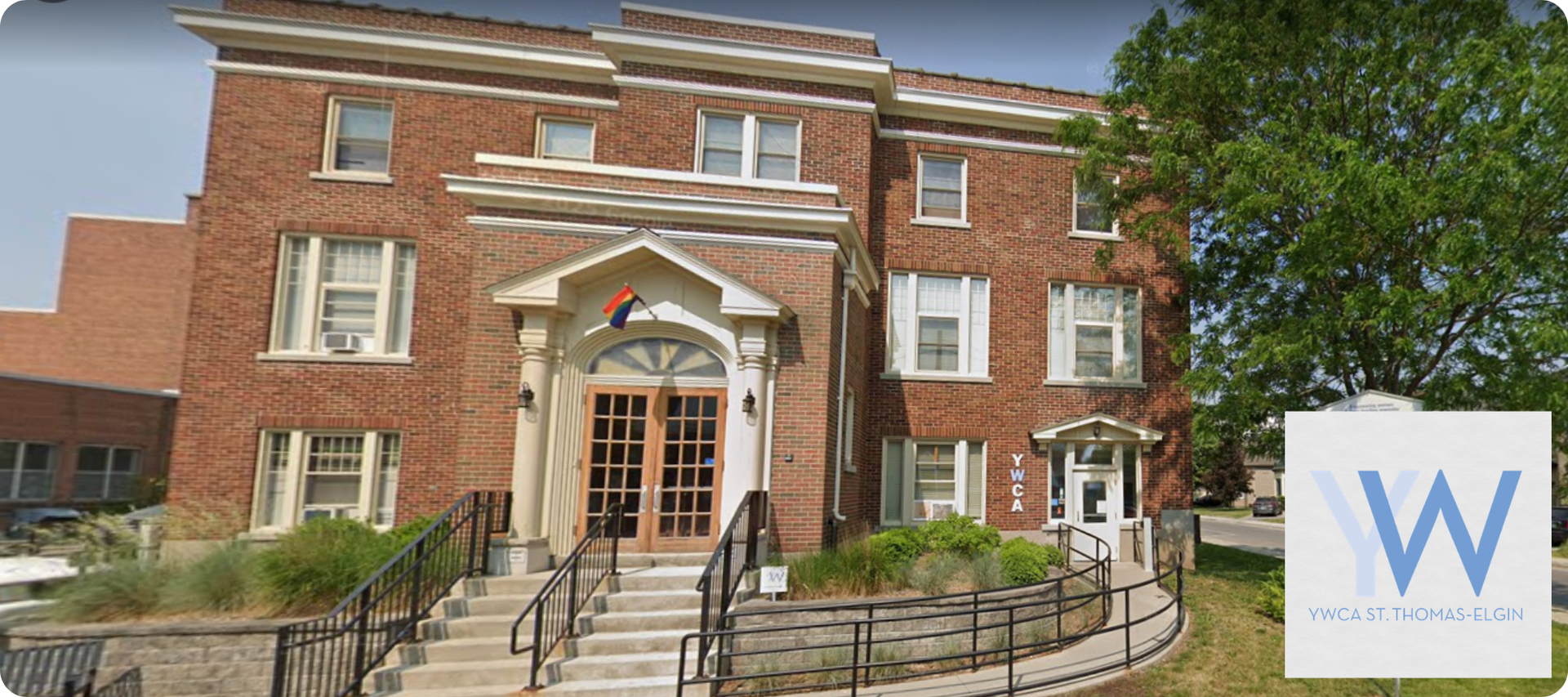
The YWCA St. Thomas Elgin Skills Training and Upgrading Program initiates this process by having her learners sign a “Learning Agreement.” This agreement requires learners to be accountable for their attendance by requiring them to notify her of upcoming absences. Learners are encouraged to attend the classroom multiple days a week and staying for three hours. Learners are encouraged to stay in class even when the subjects they are working on are demanding. Courtney has referred to this as “classroom hardening,” By taking ownership of their attendance, learners can demonstrate their commitment to showing up. This accountability focus is excellent preparation for an apprenticeship, where employer-sponsors emphasize that showing up is the critical ingredient to success. When work “hardens,” they want to know their apprentices will stick it out.
Courtney and the YWCA understand that apprenticeship preparation begins in the classroom. Adult learners attend Get SET classes, not because the law requires them to be in school, but because they want to build their futures.
That commitment to self and the tenacity that comes with juggling work, family, and school can itself become a recipe for apprenticeship success. For this success to happen, Get SET instructors are often the first step toward helping learners see that their classroom grit is a bridge to apprenticeship.
Get SET educators like Courtney play an unsung role in helping learners realize that the job they seek can also blossom into a career path.
What We've Been Up To: Connexus26
Canada's Career Development Conference
We were thrilled to showcase LLSC's ARISE and Step Up and Succeed (SUAS) projects at Cannexus - Canada's largest bilingual conference focused on career and workforce development.
We had a fantastic response from attendees (from Ontario and other provinces) who stopped by our exhibitor booth.
Positive feedback emphasized that LLSC’s current ARISE and SUAS projects have not only built a solid reputation within the apprenticeship landscape, but are also incredibly unique.
Learn more about ARISE
Visit Step Up and Succeed’s
Apprenticeship Hub
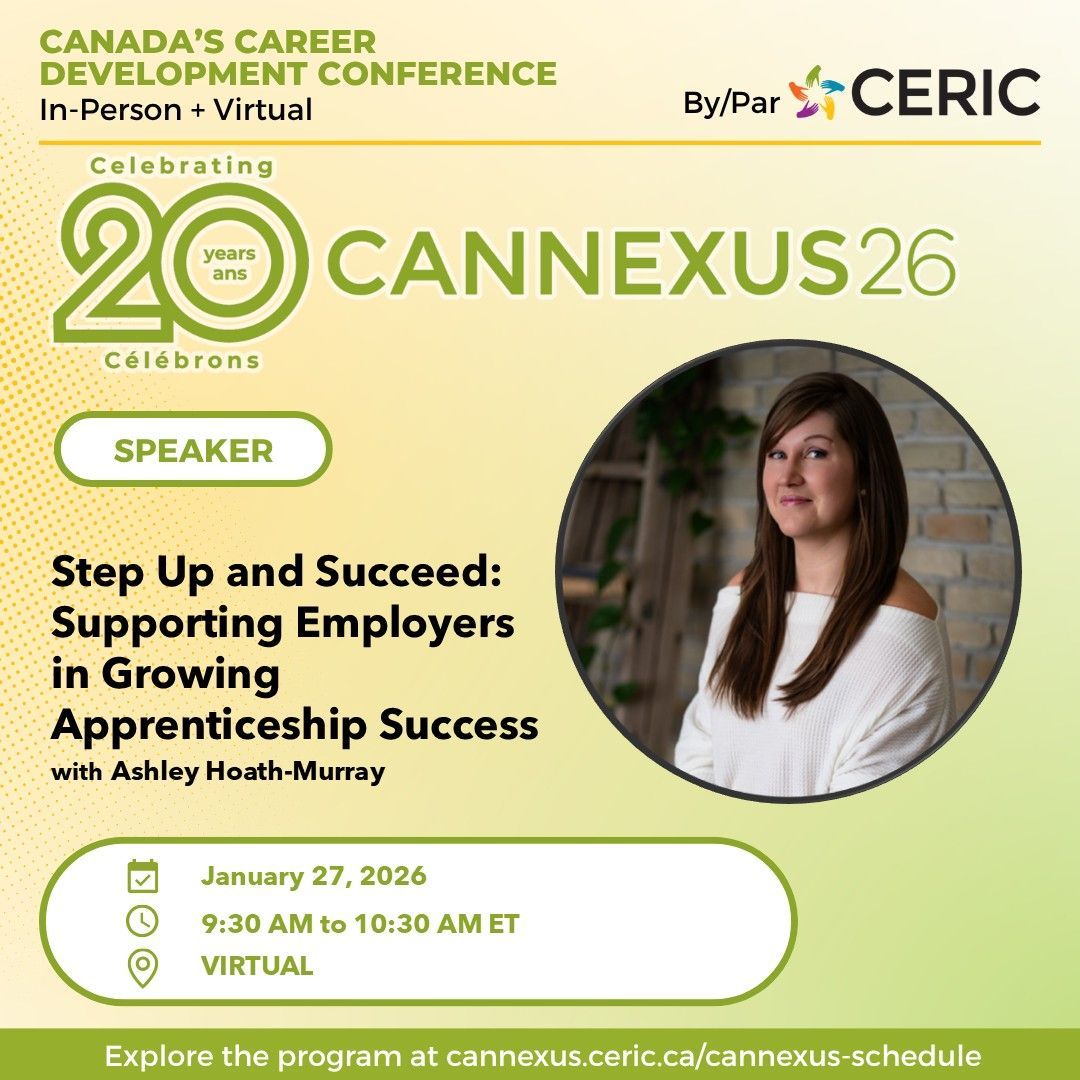

Cannexus - LLSC's Booth
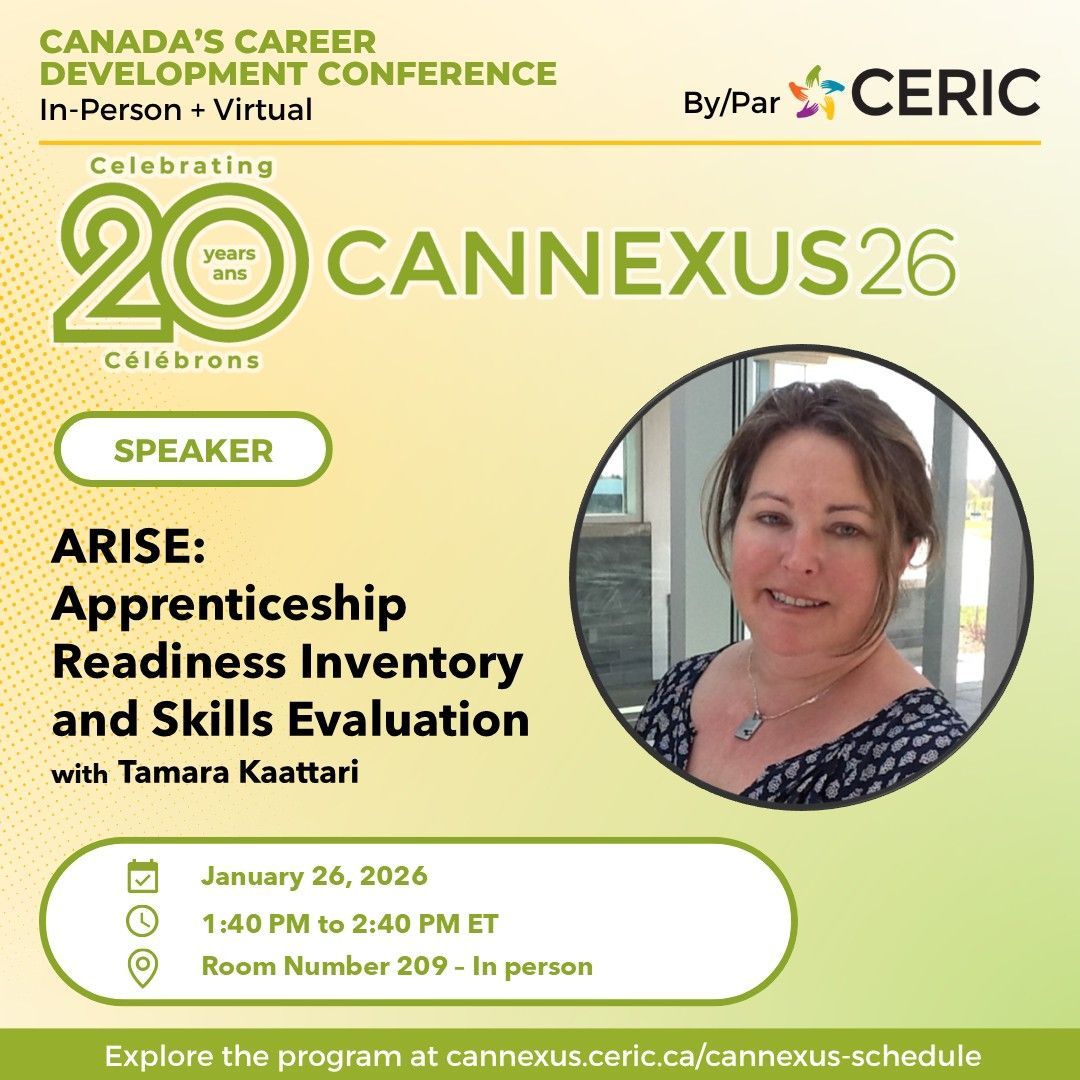
Cannexus - ARISE
Melanie Winter:
Building Pathways, Partnerships, and Possibilities
How Support Ontario Youth Is Transforming Apprenticeship in Ontario
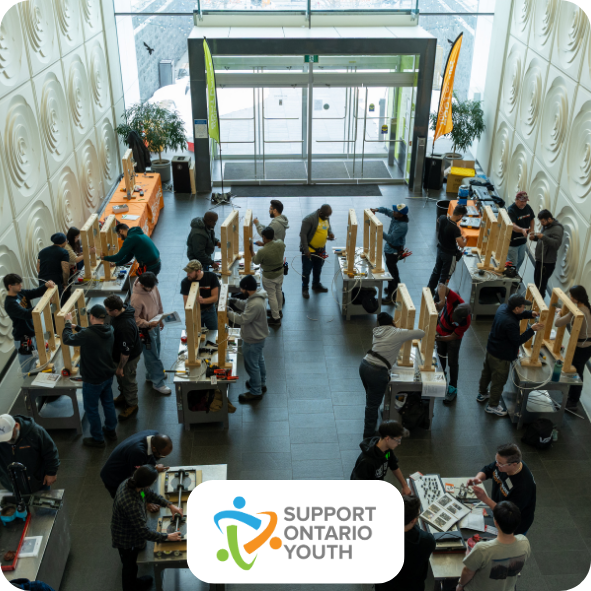
In a market hungry for skilled workers, Support Ontario Youth (SOY) is modernizing and supporting Ontario’s apprenticeship pathway. Led by Executive Director Melanie Winter, SOY is redefining what it means to guide young people and adults into the skilled trades. SOY focuses not only on technical training but on building confidence, readiness, and long term career growth.
In 2016, the Ontario Electrical League founded SOY to help small and medium sized contractors navigate Ontario’s apprenticeship system. These businesses often lacked the internal capacity, time, or human resources expertise needed to hire and support apprentices. What began as a response to the electrical sector has grown substantially: SOY now works across 15 trades, partnering with hundreds of employers, and actively supporting over 600 apprentices across the province.
At the heart of SOY’s approach is the belief that apprenticeship is not a second tier option, but a legitimate post secondary educational pathway. It is as rigorous, future focused, and opportunity rich as any college or university program. This is because the apprentice’s journey does not end when they pass their Certificate of Qualification (CofQ) exam.
Becoming a Red Seal certified tradesperson is really the beginning of more opportunities for career growth and skills development. Melanie notes that an apprenticeship is an open door to entrepreneurship, teaching, and leadership roles in industry. What an apprentice can do depends on their work ethic and imagination. It is a springboard, not a finish line. As Melanie puts it, “it’s the only pathway where you need a job to learn. The other ones you learn to get a job.”
One of SOY’s most distinctive contributions is its dual‑support model. Instead of focusing solely on apprentices, SOY works closely with employers, offering tools and guidance to build training environments where anyone can thrive. Employers lean on SOY to source job ready candidates, register apprentices, and assist with administrative support. This enables employers to do what they do best: running their businesses and training trades people. “We’re educating both sides of the equation,” Melanie explains. “We help apprentices understand what to expect—and we help employers create spaces where apprentices can learn and thrive.”
On the apprentice side, SOY provides essential employability training, including networking, communication skills, resume development, and the unwritten rules of professionalism. They also address something Melanie refers to as “acculturation,” which is helping new apprentices understand the culture, expectations, and pace of the skilled trades. This includes everything from what a spotter should be doing on a ladder to how to advocate for oneself in a busy jobsite environment.
One of the things that sets SOY apart is its use of psychometric and critical-thinking assessments, which it developed in collaboration with its partner, FitFirst. These tools help identify each candidate’s strengths, preferences, and ideal working conditions without closing off opportunities or dictating career choices. The purpose of these assessments is to help prospective apprentices reflect on their skills, interests, and personality to determine which trade might be the best fit for them. Melanie emphasizes that the results are not prescriptive: “My job is not to tell someone what they should be. My job is to help them understand who they are—and where they might thrive.”
Employers increasingly rely on these assessments. On occasion, they will send their walk-in candidates to SOY for screening before they make hiring decisions. What SOY has developed is a shared language, rooted in behavioural traits, problem‑solving, and jobsite realities, that can align employer expectations with apprentice strengths. The result is a stronger match, higher satisfaction from both parties, and significantly better retention. SOY’s retention rates are greater than ninety percent, meaning that their apprentices remain in the trades once they’ve begun their journey. Melanie says that at SOY, success isn’t defined by how long someone stays with SOY, but whether they stay in the trades.
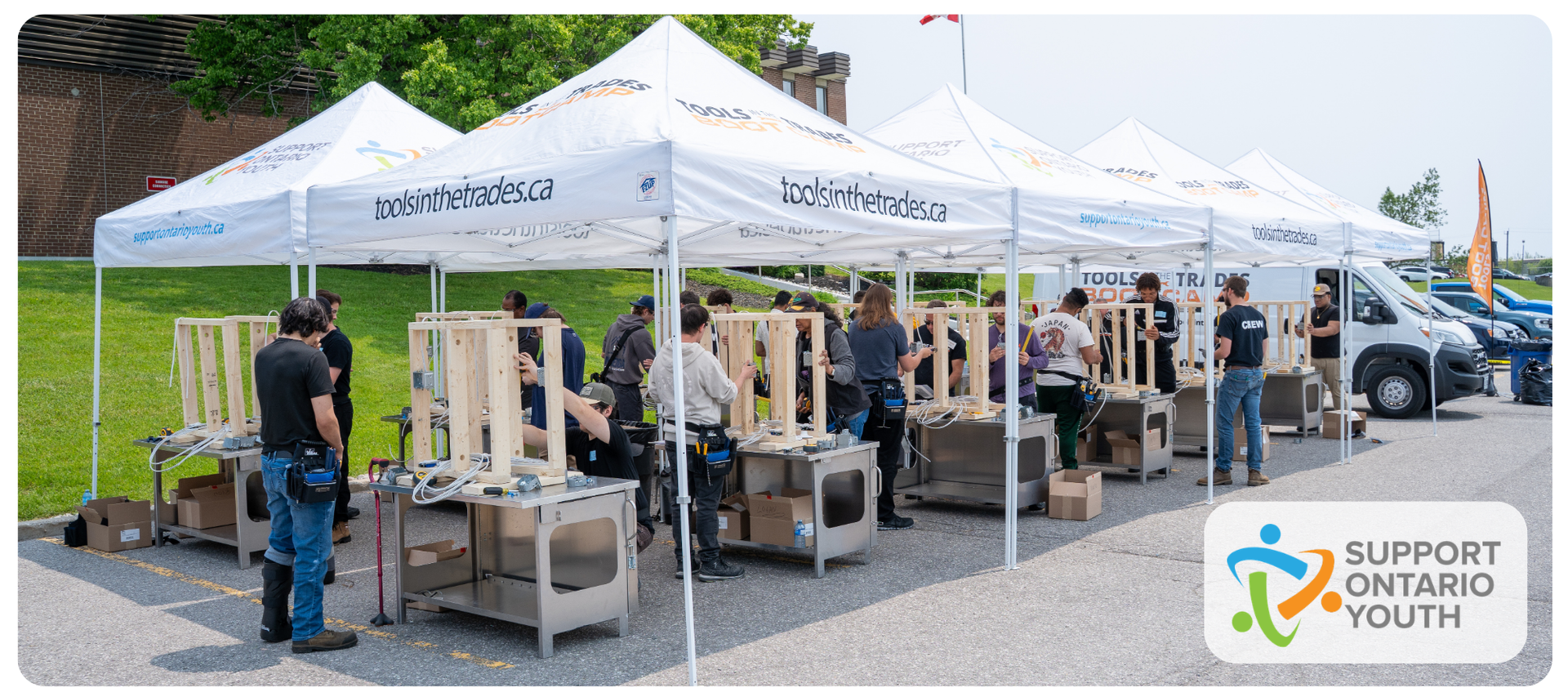
SOY’s door is open not only to high‑school graduates, but to adults seeking a new start. Many candidates arrive unsure of their abilities or their direction. SOY addresses these uncertainties by offering programs like hands‑on boot camps and exploration workshops to help individuals test their interests and build confidence that an apprenticeship is a good fit for them. Melanie encourages those interested in the skilled trades sector to try different forms of trades training, as it can lead to unexpected possibilities and opportunities.
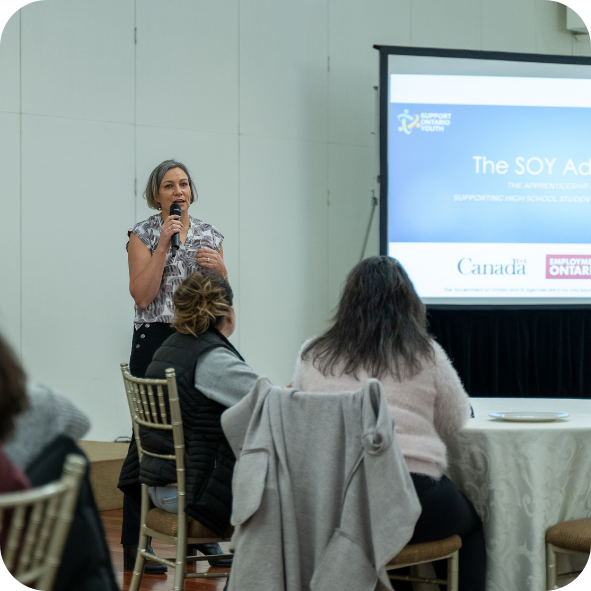
Underlying all of this is SOY’s collaborative philosophy, which Melanie describes as stay in your lane, partner widely, and bring in specialists when needed. From literacy organizations to agencies supporting neurodivergent learners, SOY surrounds apprentices and employers with a wide range of wrap-around supports.
Upcoming Event with Skills Ontario
Coming Soon!
Skills Ontario presents its International Women's Day Celebration and Networking Event: Give to Gain
The March 5th event will be held in Guelph at the Frank Hasenfratz Centre for Excellence in Manufacturing, and is the perfect opportunity to network with other women in the skilled trades and technology, and explore future career paths in the industry.
Apprentices and certified tradeswomen will offer their guidance and expertise to women interested in the trades.
Read the promotional article from Guelph Today
We hope to see you there!


Recommended Resource:
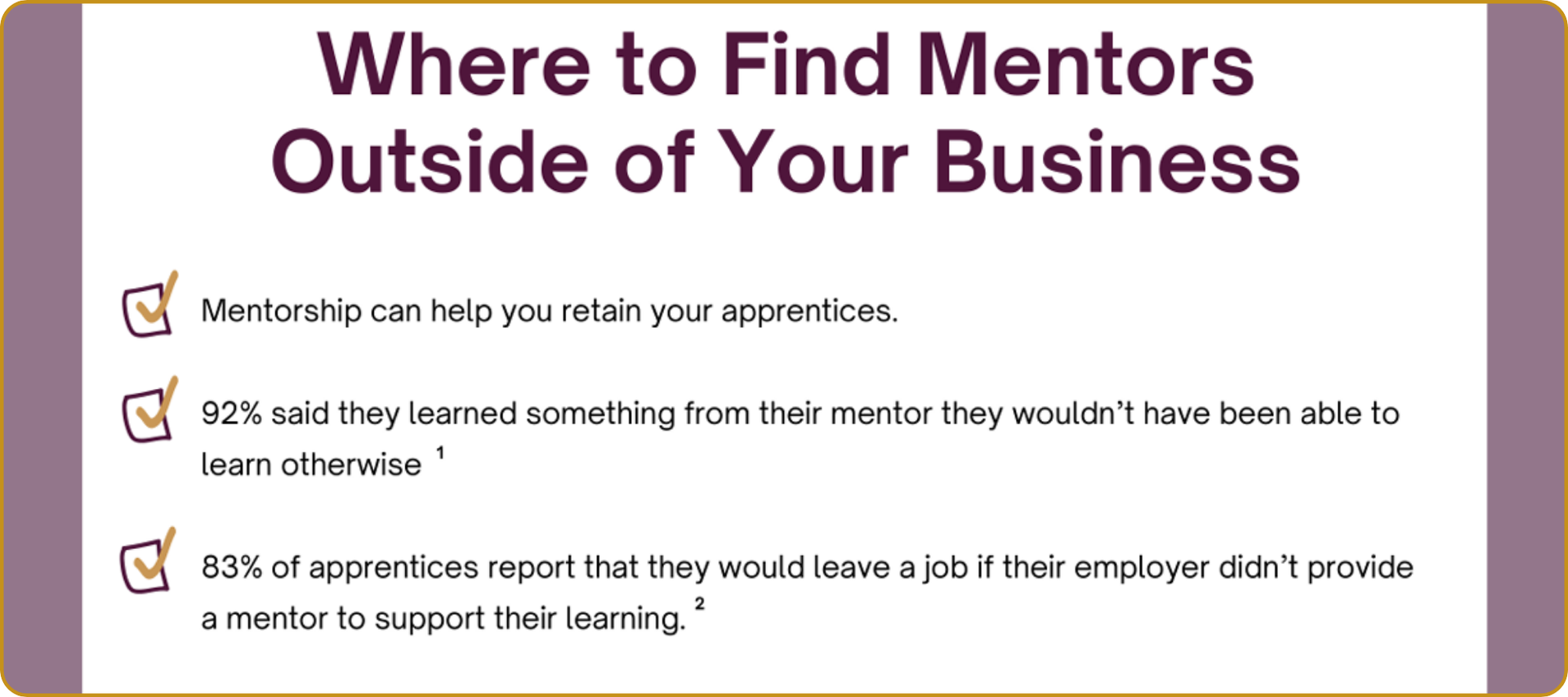
Where to Find Mentors Outside of Your Business
This document outlines the benefits of mentorship (with skill development, overcoming challenges, networking opportunities, and increasing motivation) and the importance of mentorship in retaining apprentices and supporting their career development.
More Resources to Help You Get Ahead
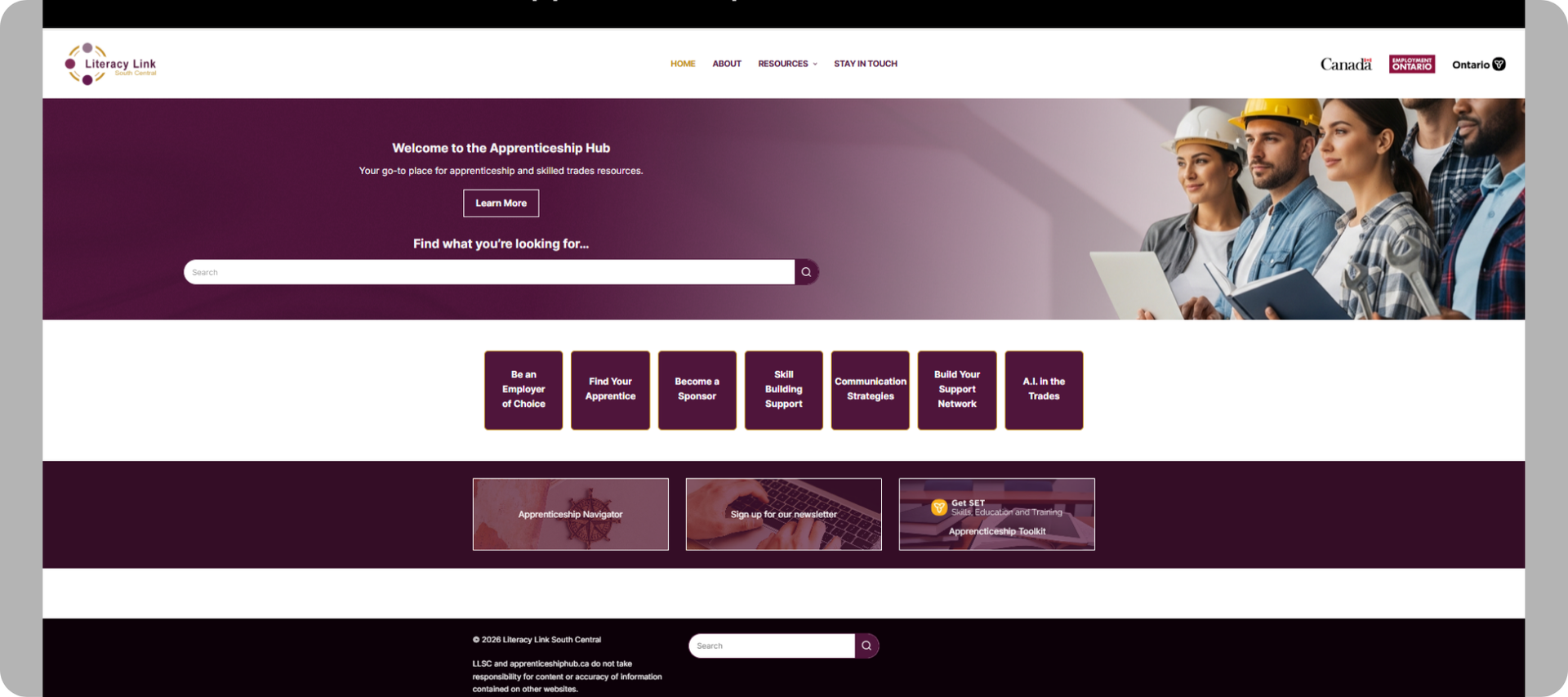
ApprenticeshipHub.ca is our updated and expanded resource hub, with a focus on ease of use and increased resources, relevant to apprenticeship today.
Want to dig even deeper into the tools and strategies the Apprenticeship Hub has to offer? Unlock free tools and supports for your business by visiting the new Apprenticeship Hub now!
Tell us your story! We would love to hear from you. What resource did you use or find most helpful?
Email us at literacylink@llsc.on.ca
Your quote may be featured in a future issue!
Thank you so much for joining us! We look forward to seeing you again with the next issue of Step Up and Succeed in the Skilled Trades coming in March 2026!
---
Do you know somebody who you think would benefit from receiving our newsletter?
Have them visit our sign-up form to register today!